

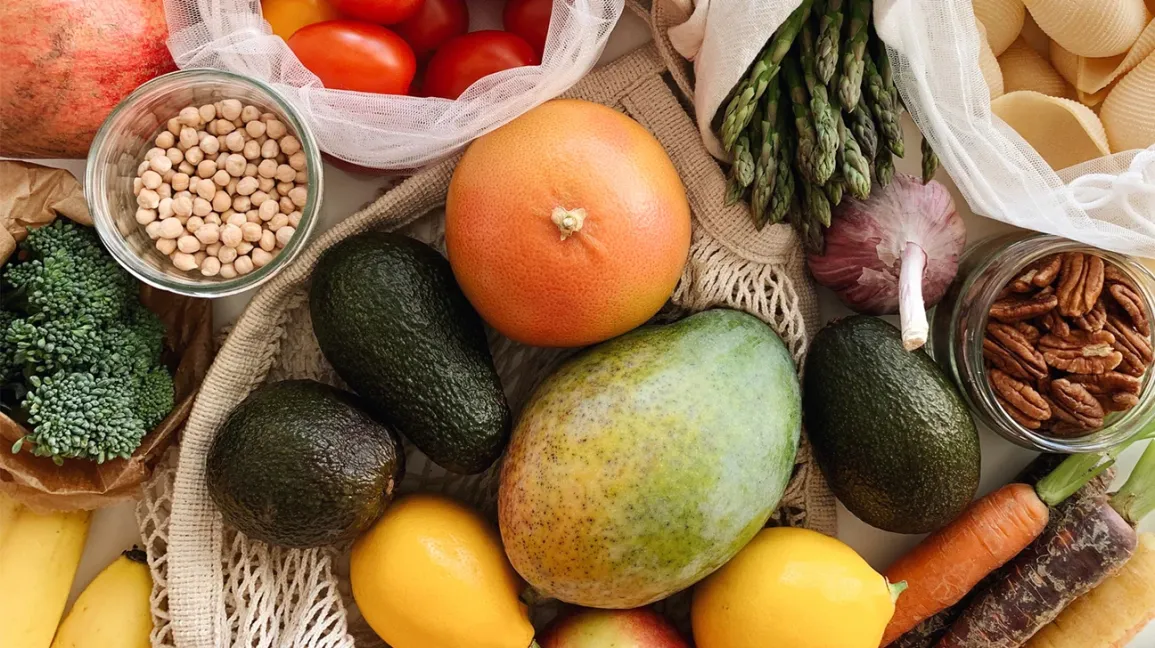
Feeling fatigued during the day is a common problem for many people. Busy schedules, stress, and lack of proper nutrition can all contribute to low energy levels. While occasional tiredness is normal, persistent fatigue can affect productivity, mood, and overall well-being. One of the most effective ways to boost your energy naturally is through your diet. Choosing the right foods provides your body with the essential nutrients it needs to maintain stamina, improve focus, and enhance overall vitality. Here are some of the best foods to improve energy levels.
1. Whole Grains
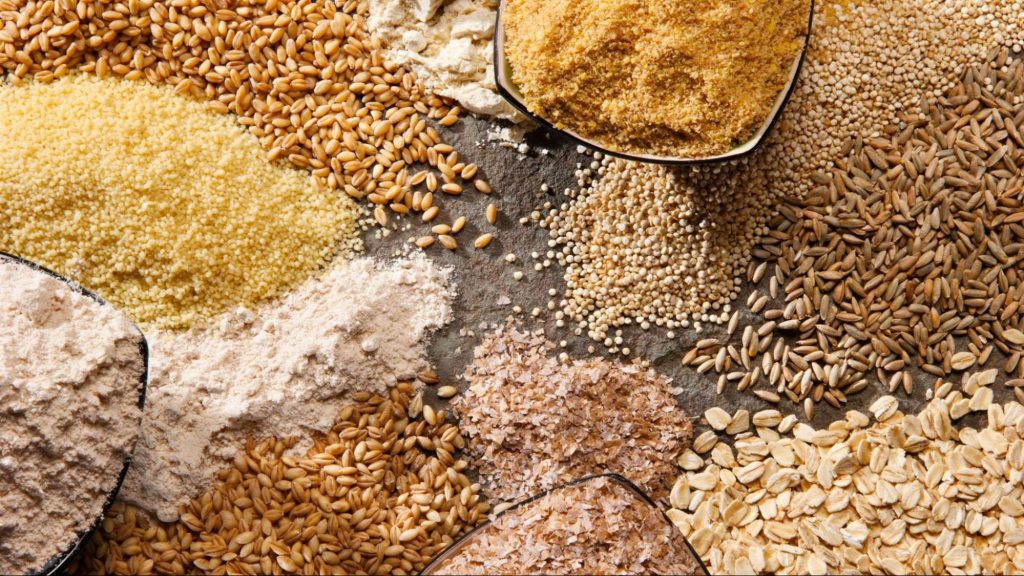
Carbohydrates are the body’s primary source of energy, and whole grains are an excellent choice. Unlike refined grains, whole grains release energy slowly, helping maintain steady blood sugar levels throughout the day. Foods like oats, brown rice, quinoa, and whole wheat bread are rich in complex carbohydrates and fiber. They provide a long-lasting source of energy, reducing sudden energy crashes that are common after consuming sugary snacks.
2. Nuts and Seeds
Nuts and seeds are packed with healthy fats, protein, and essential minerals like magnesium, which play a crucial role in energy production. Almonds, walnuts, cashews, pumpkin seeds, and sunflower seeds are ideal for a quick energy boost. They are convenient snacks that provide sustained energy without causing spikes in blood sugar levels. Additionally, the protein content helps keep you full, preventing overeating and sluggishness later in the day.
3. Fresh Fruits
Fruits are naturally rich in vitamins, minerals, and antioxidants that combat fatigue. Bananas, for example, are high in potassium and carbohydrates, making them a perfect pre-workout snack for quick energy. Berries, oranges, and apples contain natural sugars that are slowly absorbed, providing a steady supply of energy. Citrus fruits, in particular, are high in vitamin C, which helps reduce oxidative stress and improves overall vitality.
4. Leafy Green Vegetables
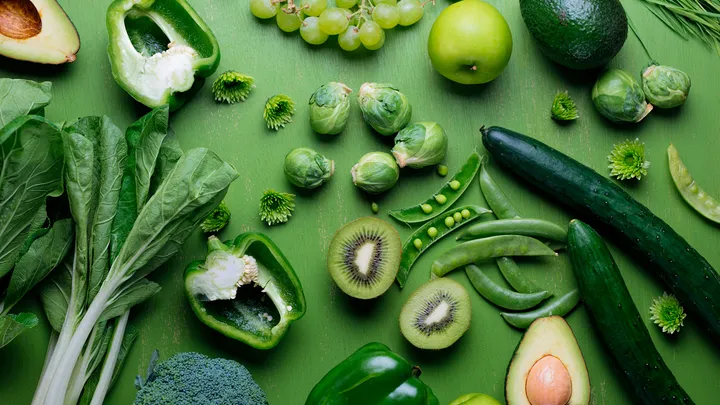
Leafy greens like spinach, kale, and Swiss chard are nutrient-dense foods that support energy production. They are high in iron, which is essential for transporting oxygen in the blood. Low iron levels can lead to fatigue and decreased endurance. Greens also contain magnesium, B vitamins, and antioxidants, all of which help reduce tiredness and support cellular energy metabolism. Adding a serving of greens to your meals can make a significant difference in how energetic you feel throughout the day.
5. Eggs
Eggs are a powerhouse of nutrients, including protein, B vitamins, and healthy fats. B vitamins, particularly B12 and riboflavin, are crucial for converting food into energy. Eggs also provide high-quality protein, which helps maintain muscle strength and stamina. Consuming eggs for breakfast can keep energy levels steady for several hours, reducing mid-morning fatigue and improving concentration.
6. Yogurt
Yogurt, especially Greek yogurt, is rich in protein and probiotics. Protein helps maintain energy by stabilizing blood sugar levels, while probiotics support gut health, which is linked to better energy metabolism. Yogurt also contains calcium, which is important for muscle function and nerve signaling. A yogurt-based snack with some fruit or nuts can provide a balanced energy boost during the day.
7. Legumes
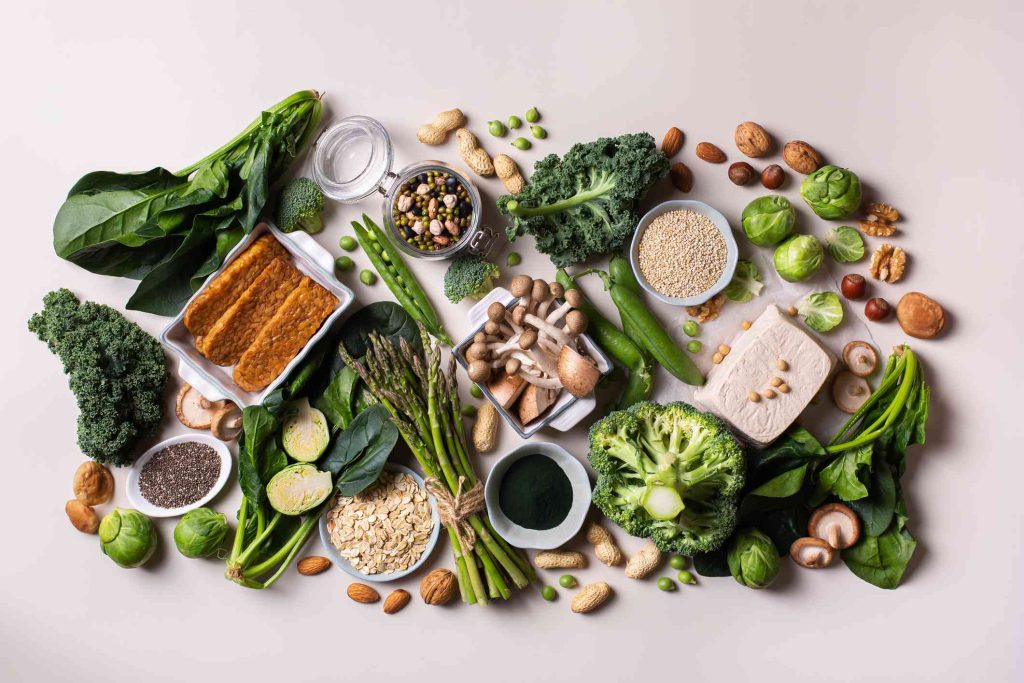
Beans, lentils, and chickpeas are excellent sources of complex carbohydrates, protein, and fiber. They release energy slowly, helping to prevent sudden energy dips. Legumes are also rich in iron and magnesium, both of which play a key role in maintaining energy levels. Adding beans or lentils to salads, soups, or stews is an effective way to sustain energy throughout the day.
8. Dark Chocolate
Dark chocolate, in moderation, can be an effective energy booster. It contains caffeine and theobromine, both of which stimulate the nervous system and increase alertness. Additionally, dark chocolate is rich in antioxidants that improve blood flow, enhancing oxygen delivery to your brain and muscles. Choose chocolate with at least 70% cocoa for maximum benefits without excessive sugar.
9. Water
While not a food, staying hydrated is critical for maintaining energy. Even mild dehydration can cause fatigue, reduced concentration, and low endurance. Drinking water consistently throughout the day ensures that your cells function optimally and helps transport nutrients effectively. Herbal teas and water-rich fruits like watermelon and cucumber also contribute to hydration.
Conclusion
Boosting your energy levels doesn’t always require supplements or energy drinks. Eating a balanced diet rich in whole grains, nuts, fruits, vegetables, eggs, yogurt, legumes, and even dark chocolate can provide the nutrients your body needs to function at its best. Combined with proper hydration, these foods help stabilize blood sugar, improve focus, and enhance stamina. By making conscious dietary choices, you can maintain consistent energy throughout the day and improve your overall health.