

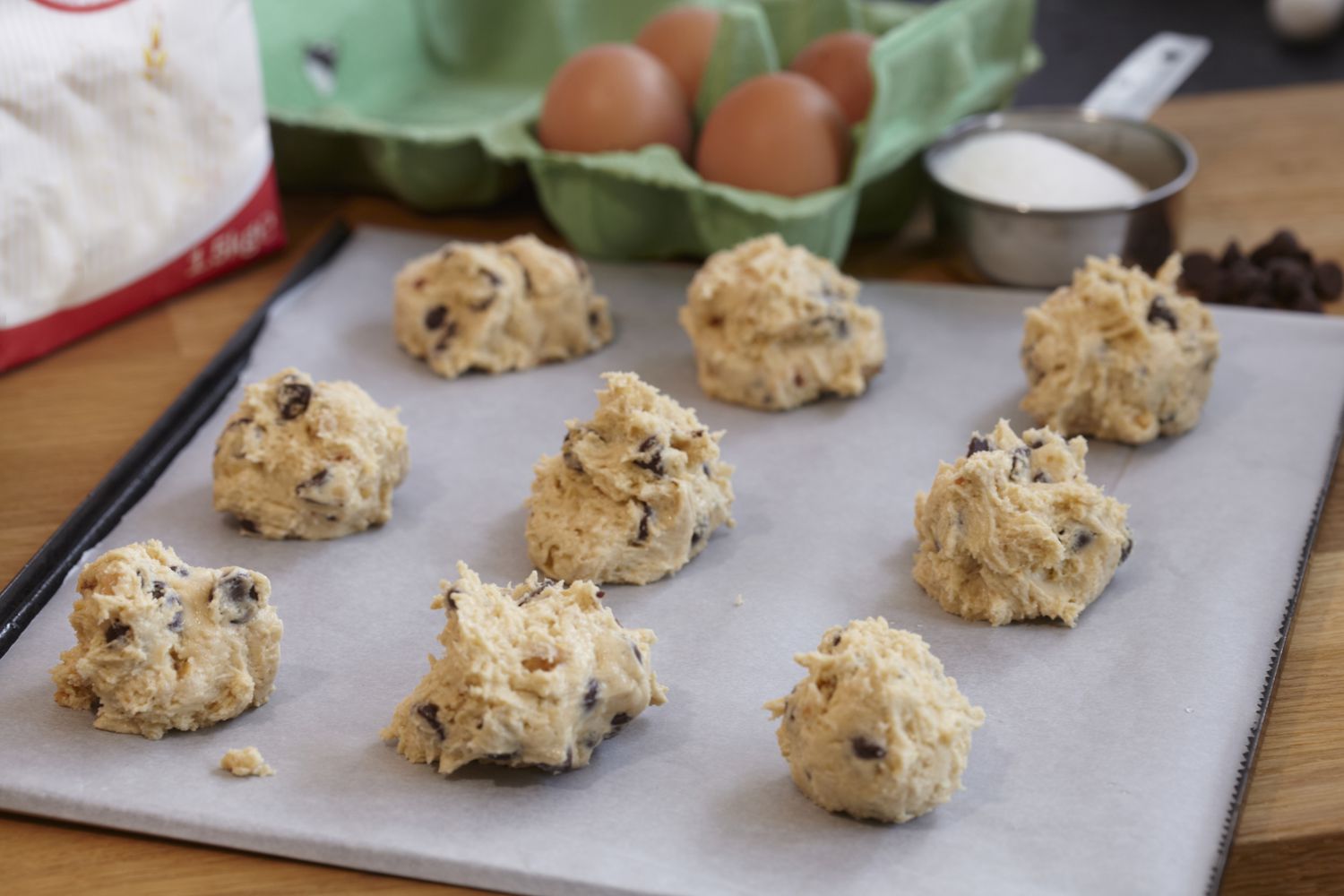
Baking cookies can seem simple, but achieving that perfect balance of chewy, soft, or crispy texture every time requires more than just tossing ingredients together. Whether you’re a beginner baker or someone who wants to refine your cookie-making skills, understanding a few essential tips and techniques can make a world of difference. Here’s a comprehensive guide on how to bake perfect cookies every time.
Start with Quality Ingredients
The foundation of a great cookie is high-quality ingredients. Fresh butter, good-quality chocolate, and pure vanilla extract can dramatically enhance flavor. Always check the expiration dates on baking powder, baking soda, and flour, as old ingredients can affect both taste and texture. Using room-temperature butter and eggs is crucial for proper mixing and achieving a uniform dough. Cold butter will create uneven texture, while melted butter will make cookies too dense.
Measure Ingredients Accurately
Baking is more science than art, and even small variations in measurements can affect the outcome. Use measuring cups for dry ingredients and liquid measuring cups for wet ingredients. For precise results, consider using a kitchen scale to weigh ingredients. This eliminates inconsistencies that can occur when scooping flour or sugar. Overpacking flour or adding too much sugar can make cookies dry, crumbly, or too sweet.
Master the Dough
The dough is the heart of your cookie. Follow the recipe instructions closely, especially the order of mixing. Typically, you should cream butter and sugar first until light and fluffy, then gradually add eggs and vanilla. Incorporating flour and other dry ingredients last ensures your cookies maintain the right structure. Avoid overmixing once the flour is added, as this can lead to tough cookies.
If you want chewier cookies, add an extra egg yolk or a bit of brown sugar. For crispier cookies, increase granulated sugar slightly or flatten the dough balls before baking. Experimenting with small adjustments can help you discover your perfect cookie texture.
Chill the Dough
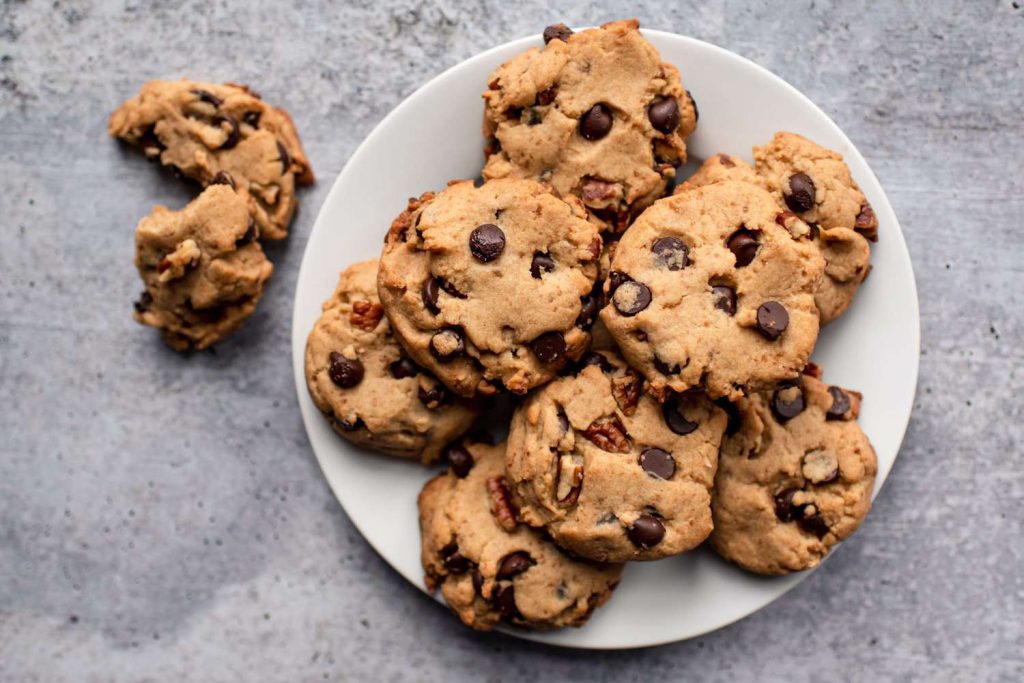
Chilling the dough before baking is a game-changer. Refrigerating it for at least 30 minutes allows the fats to solidify, which prevents cookies from spreading too much in the oven. Chilling also helps develop flavor as the ingredients meld together. For recipes that call for it, you can even freeze the dough and bake cookies straight from frozen, which can enhance texture and give you perfectly uniform cookies.
Use the Right Baking Tools
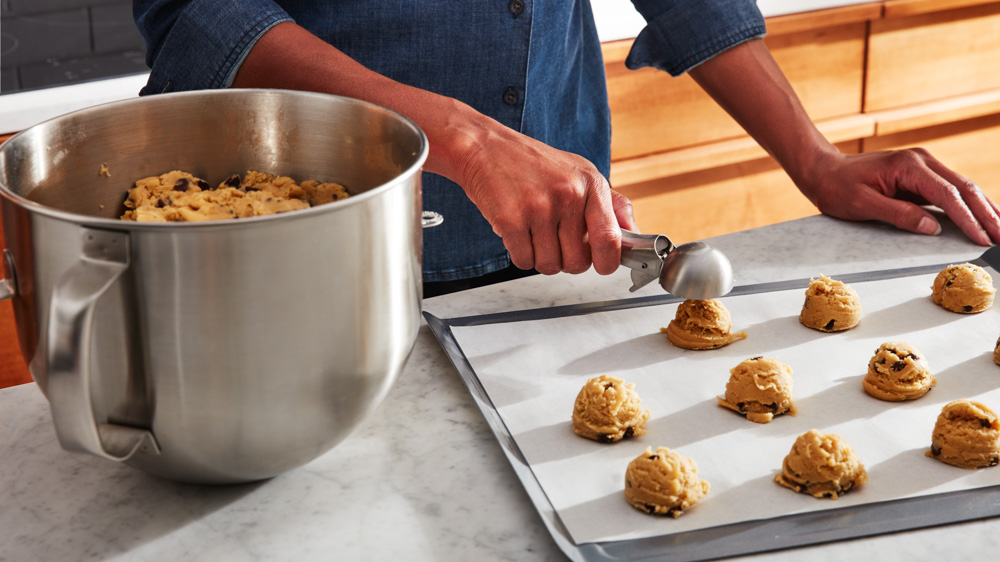
The tools you use can significantly influence the outcome. A quality baking sheet with even heat distribution prevents uneven baking. Lining your sheet with parchment paper or a silicone mat ensures cookies don’t stick and makes cleanup easy. Use a cookie scoop to portion dough evenly, so all cookies bake at the same rate.
Watch Your Oven Temperature
Oven temperature is a critical factor in cookie baking. Even a slight variance can lead to undercooked or overcooked cookies. Use an oven thermometer to ensure accuracy, as many ovens are not perfectly calibrated. Baking cookies at a slightly higher temperature can give a crisp exterior and soft interior, while lower temperatures tend to produce chewier cookies. Rotate your baking sheet halfway through the baking process for even browning.
Don’t Overbake
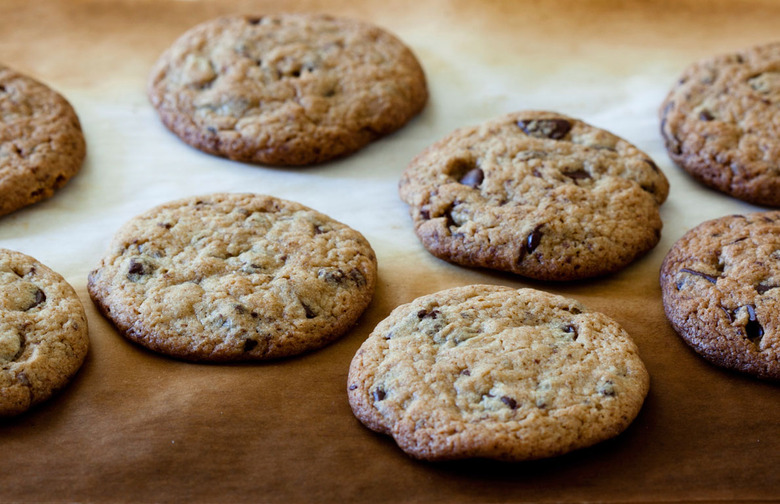
Cookies continue to cook a little after being removed from the oven due to residual heat. Take them out when the edges are set but the centers still look slightly undercooked. Overbaking leads to dry, hard cookies, while underbaking can result in a gooey mess. Let the cookies rest on the baking sheet for a few minutes before transferring them to a cooling rack.
Add Flavor Enhancers
To elevate your cookies, consider adding flavor boosters. A pinch of salt can enhance sweetness, while a teaspoon of instant coffee powder can deepen chocolate flavors. Nuts, dried fruits, or citrus zest can add texture and complexity. Be careful not to overload the dough with add-ins, as this can disrupt the balance of the cookie.
Experiment and Have Fun
Finally, don’t be afraid to experiment. Try different types of sugars, flours, or even mixing techniques. Each small tweak can create a unique cookie experience. Keep notes on what works best so you can replicate perfect results every time.
Conclusion
Baking perfect cookies requires attention to detail, patience, and a love for the craft. By using high-quality ingredients, measuring accurately, chilling dough, and monitoring oven temperature, you can consistently create cookies that are delicious and visually appealing. With practice and a bit of creativity, you’ll soon be able to bake cookies that impress family and friends—every single time.